Is It Gynecomastia or Fat? Simple Signs to Check
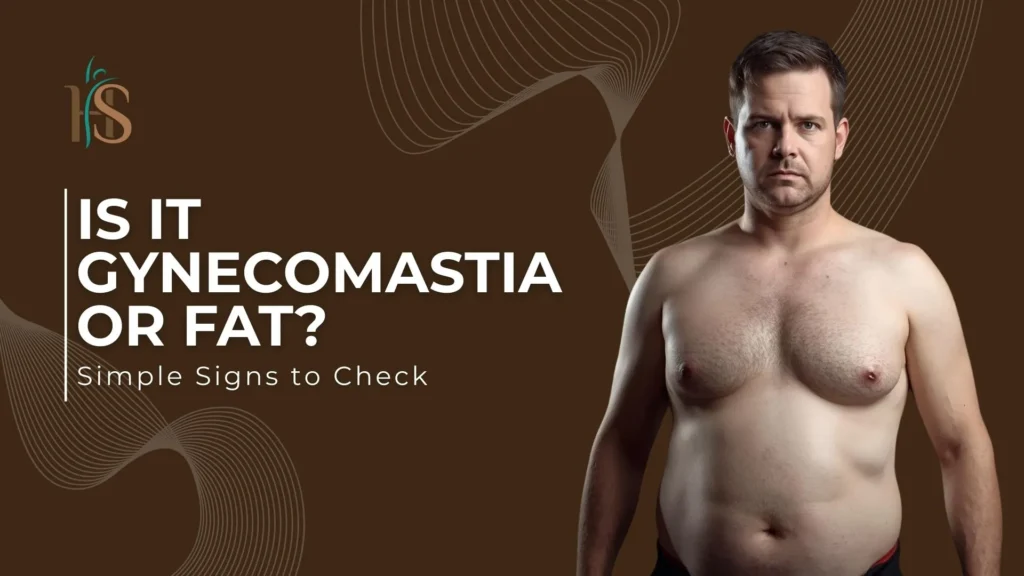
Many men feel uncomfortable or confused when they notice fullness in their chest. Is it simply stubborn fat, or could it be gynecomastia? While both conditions can look similar at first glance, they are not the same, and understanding the difference is essential for choosing the right treatment.
At Dr. Hasan’s practice in Saudi Arabia, men frequently ask whether their chest’s appearance is caused by excess fat or glandular breast tissue. This guide will help you recognize the simple signs that distinguish gynecomastia vs fat, so you can take the next step with clarity and confidence.
What Is Gynecomastia?
Gynecomastia is a condition enlargement of male breast tissue that is caused by hormonal imbalance between estrogen and testosterone. It is not related to weight alone and can occur in men of any body type.
Common causes include:
- Hormonal changes during puberty or aging
- Certain medications
- Anabolic steroid use
- Medical conditions affecting hormones
- Genetics
Unlike chest fat, gynecomastia involves firm glandular tissue, usually concentrated beneath the nipple.
What Is Chest Fat?
Chest fat (also called pseudogynecomastia) develops due to excess fat accumulation in the chest area. It is commonly associated with:
- Overall weight gain
- Sedentary lifestyle
- Poor diet
- Lack of chest muscle tone
In this case, the chest fullness is part of generalized body fat and does not involve glandular tissue.
Gynecomastia vs Chest Fat: Simple Signs to Check
1. How Does It Feel to the Touch?
One of the easiest ways to differentiate fat vs gynecomastia is by touch.
Gynecomastia: Breast feels firm or rubbery, often like a small disc or lump directly under the nipple.
Chest fat: Feels soft, loose, and evenly spread across the chest.
If you pinch the tissue easily and it feels similar to fat elsewhere on your body, it is more likely chest fat.
2. Is the Enlargement Centered Around the Nipple?
When comparing gynecomastia vs fat tissue:
Gynecomastia typically causes a puffy or protruding nipple and is centered behind the areola.
Chest fat spreads more diffusely across the entire chest and does not usually push the nipple forward.
If the nipple itself appears swollen or sensitive, gynecomastia may be the cause.
3. Does Weight Loss Change Your Chest Shape?
Another key difference between chest fat vs gynecomastia is how the chest responds to weight loss.
Chest fat often reduces with diet and exercise.
Gynecomastia usually does not go away, even after significant weight loss.
Many men are frustrated when they lose weight everywhere else, yet the chest remains unchanged—this is a classic sign of gynecomastia.
4. Is There Tenderness or Sensitivity?
Pain is not always present, but it can be an important clue.
Gynecomastia may cause tenderness, soreness, or sensitivity around the nipple area.
Chest fat is generally painless and does not cause discomfort.
If touching the area causes discomfort, it is worth seeking a professional evaluation.
5. Is One Side More Prominent Than the Other?
Gynecomastia can sometimes affect one side more than the other, creating noticeable asymmetry.
Uneven chest fullness or one puffy nipple may indicate glandular tissue.
Fat accumulation tends to be more symmetrical.
Asymmetry alone does not confirm gynecomastia, but it strengthens the likelihood.
6. When Did It Start?
Timing can also help distinguish gynecomastia vs chest fat.
Gynecomastia often appears during puberty, after starting certain medications, or during hormonal changes later in life.
Chest fat usually develops gradually alongside weight gain.
A sudden change without major weight fluctuations often points toward gynecomastia.
7. Does Exercise Improve the Appearance?
Strength training can help define the chest, but it has limits.
Chest fat may reduce with consistent exercise and a healthy diet.
Gynecomastia does not respond to workouts because glandular tissue cannot be burned off.
If months of disciplined training have not improved your chest shape, gynecomastia may be the underlying issue.
Why an Accurate Diagnosis Matters
Treating chest fat and gynecomastia requires completely different approaches.
- Chest fat can often be managed with lifestyle changes or targeted fat reduction.
- Gynecomastia usually requires medical evaluation and, in many cases, surgical correction to remove glandular tissue.
Misidentifying the condition can lead to wasted effort, frustration, and unrealistic expectations.
How Dr. Hasan Can Help
Dr. Hasan provides vigilant evaluation for men concerned about chest fullness, helping determine whether the issue is fat, glandular tissue, or a combination of both. A thorough assessment may include:
- Physical examination
- Medical history review
- Imaging if required
Based on the diagnosis, Dr. Hasan offers personalized treatment options designed to restore a flatter, more masculine chest contour while prioritizing safety and natural results.
Choose Hasan Ali
Distinguishing between gynecomastia vs fat doesn’t have to be confusing. By observing texture, location, response to weight loss, and sensitivity, you can gain valuable insight into what’s causing your chest appearance.
If you are still unsure, the most reliable step is a professional consultation. Early and accurate diagnosis ensures you choose the right solution—and avoid unnecessary frustration.
For men in Saudi Arabia seeking clarity and effective treatment, Dr. Hasan Ali offers trusted expertise and discreet, patient-focused care.
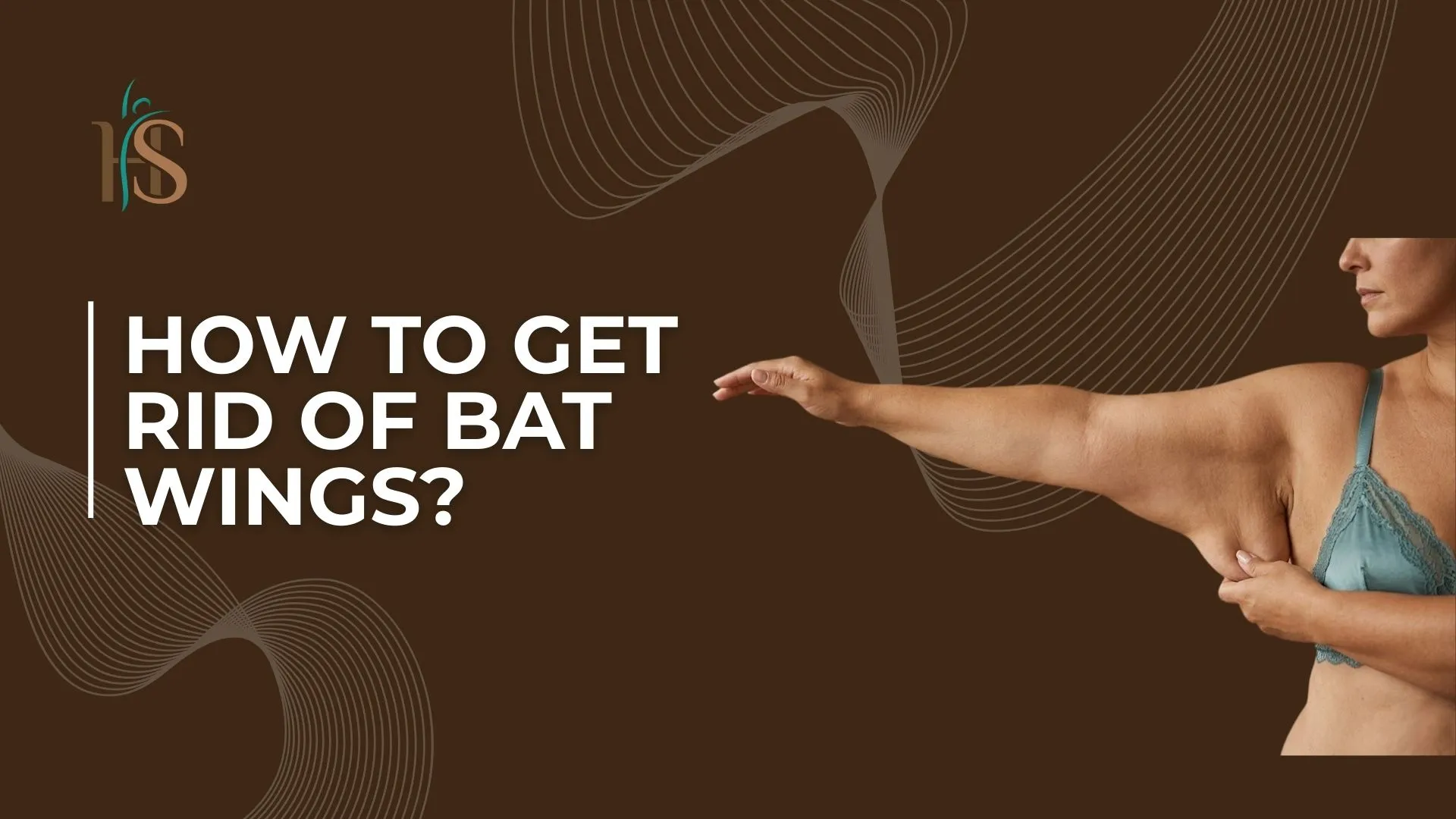
how to get rid of bat wings
How to get rid of bat wings? Do you avoid...
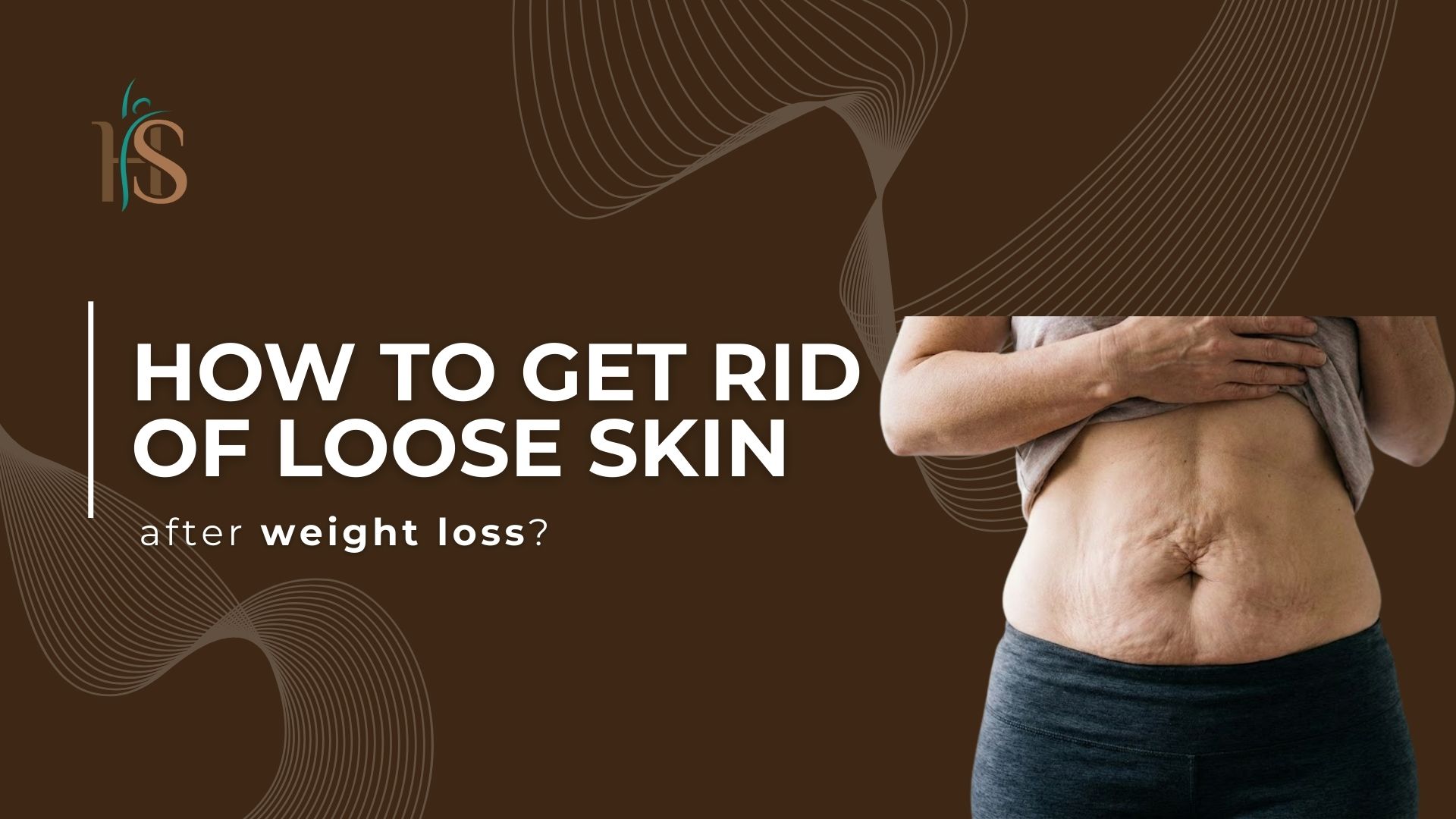
Read MoreHow to Get Rid of Loose Skin after Weight Loss?
How to get rid of loose skin after weight loss?...
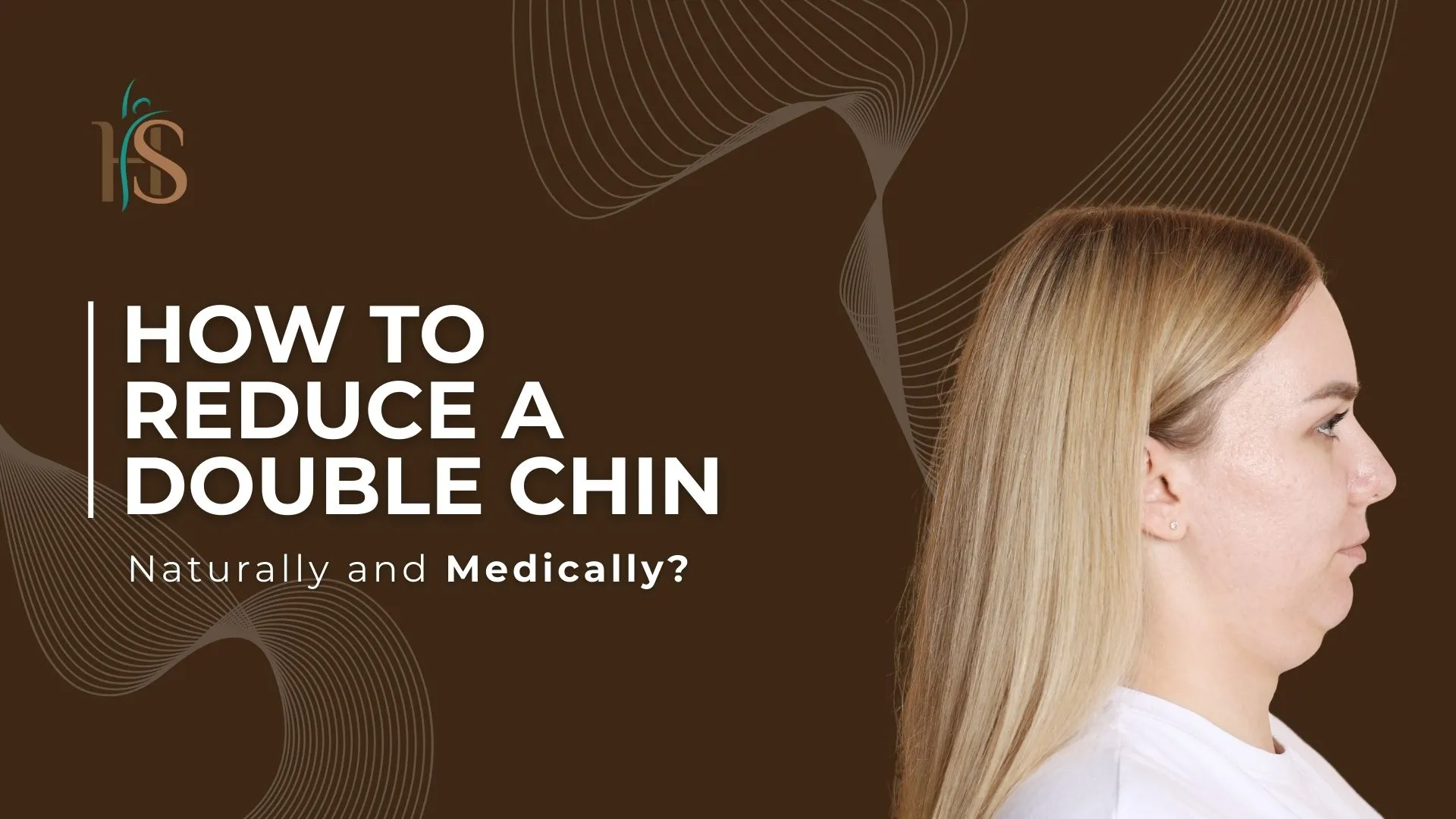
Read MoreHow to reduce a double chin naturally and medically?
How to Get Rid of Double Chin naturally and medically?...
Read MoreHow to Get Rid of Stubborn Belly Fat Safely With Liposuction
How to Get Rid of Stubborn Belly Fat Safely With...
Read More